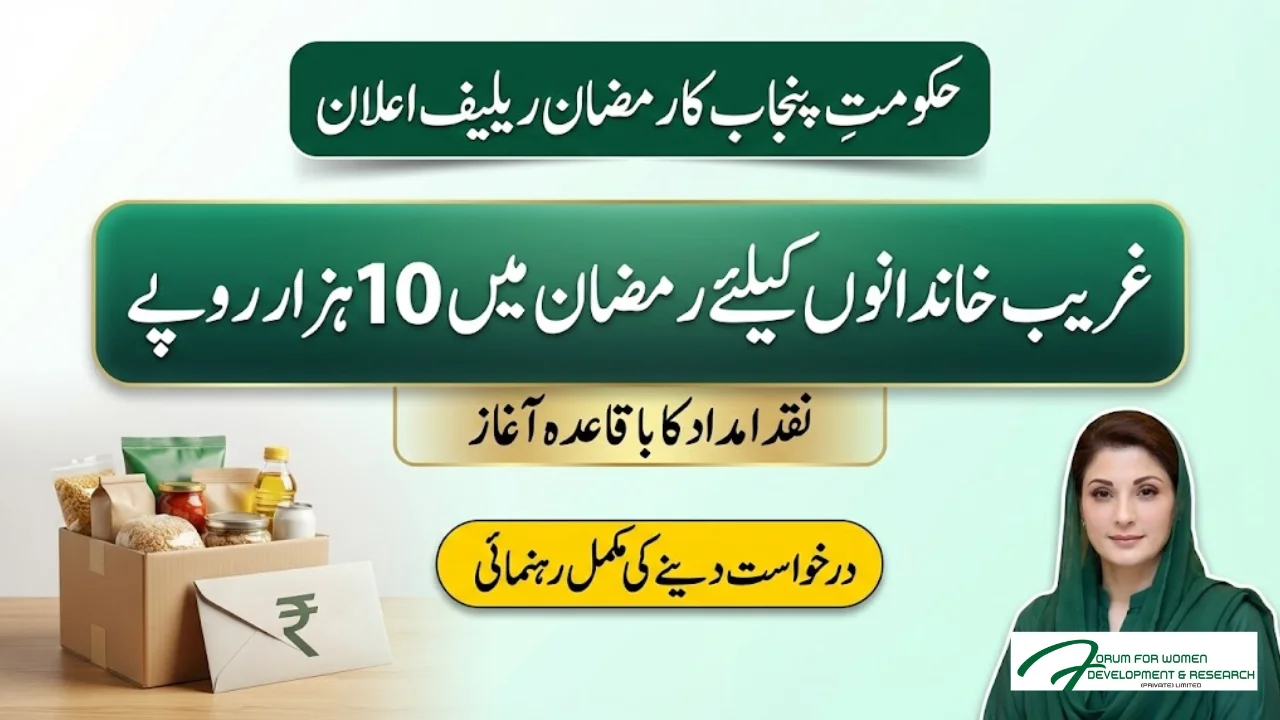
Ramzan is a time of reflection, patience, and care for one another. As prices of essential items remain a concern for many households, the Ramzan Relief Package 2026 brings timely support for low-income families across Pakistan. The government has announced targeted assistance to help deserving citizens manage food and basic needs during the holy month with dignity and ease.
This article explains the update clearly, based only on true and verified information, so families know exactly what help is available and what to do next.
What Is the Ramzan Relief Package 2026?
The Ramzan Relief Package 2026 is a government-backed support program designed to provide cash assistance and subsidized food items to low-income households during Ramzan. For 2026, the package focuses on direct relief, reducing middlemen involvement and ensuring help reaches people who genuinely need it.
According to official planning, the package is structured to support around 4.2 million low-income families nationwide through a mix of cash grants, ration support, and discounts on essential items.
What Benefits Are Included in This Package
The relief package offers multiple forms of support so families can manage Ramzan expenses more comfortably.
Cash Assistance
Eligible households receive a one-time cash grant of Rs. 10,000. This amount is meant to help families cover urgent expenses such as groceries, utility bills, or medicines during Ramzan.
Free Ration Support
Verified families may receive free ration bags delivered directly to their homes. These ration packs typically include essential food items such as:
-
Wheat flour (atta)
-
Sugar
-
Rice
-
Cooking oil or ghee
-
Basic pulses
Doorstep delivery helps reduce long queues and ensures respect and convenience for beneficiaries.
Utility Store Subsidies
Families already registered with BISP or NSER can benefit from discounts ranging from 10% to 15% on selected essential commodities available through utility store networks during Ramzan.
Who Is Eligible for Ramzan Relief Package 2026
Eligibility is based on financial need and existing government records. The key criteria include:
-
Monthly household income below Rs. 60,000
-
Priority given to households earning below Rs. 45,000
-
PMT (Poverty Means Test) score below 30–32
-
Must have a valid CNIC
-
Household data available in NSER or PSER records
Who Is Not Eligible
Some categories are excluded to ensure fairness:
-
Individuals owning registered private vehicles
-
High-grade government employees
-
Households with strong asset ownership
How to Check Eligibility and Register
The government has provided multiple simple methods so people can check eligibility without confusion.
SMS Verification (Fastest Method)
Citizens can verify their status by sending their 13-digit CNIC number (without dashes) via SMS:
-
8070 for Punjab-based relief checks
-
9999 for federal-level or national relief checks
The service is completely free.
Online Registration
Eligible or unverified households can check or update their data through the Punjab Socio-Economic Registry (PSER) system. This method is useful for families whose circumstances have changed recently.
Offline Registration
For those without internet access, registration is possible at the local Union Council office. Applicants should carry:
-
Original CNIC
-
A recent utility bill
Officials complete a short survey to update household information.
How the Relief Is Distributed
The distribution system is designed to reduce hassle and waiting time.
-
Nigehban Smart Cards are distributed door-to-door by district administrations
-
Cash amounts can be withdrawn from Bank of Punjab ATMs
-
Authorized branchless banking agents such as HBL Konnect are also used for cash withdrawal
No long lines and no repeated visits are required if data is verified.
Important Clarifications for the Public
Many people face confusion during relief announcements. Here are key points to remember:
-
SMS services 8070 and 9999 are free
-
No agent or person is authorized to charge money
-
Never share CNIC copies or codes with strangers
-
Relief is based strictly on verified data, not personal connections
If information is missing or outdated, updating records is the correct step.
What People Should Do Now
Families who believe they qualify should act early:
-
Check eligibility via SMS
-
Update records if income or household status has changed
-
Keep CNIC active and accessible
-
Follow official instructions only
Early verification helps avoid delays during Ramzan.
Conclusion
The Ramzan Relief Package 2026 is a focused effort to support millions of low-income families with cash assistance, food security, and essential subsidies during the holy month. With a transparent eligibility system and simplified distribution, the package aims to deliver relief with dignity and fairness.
For families facing financial pressure, this program provides timely support. Staying informed, verifying eligibility, and avoiding misinformation are the best ways to ensure you receive the help meant for you.
Latest Updates